Project Overview
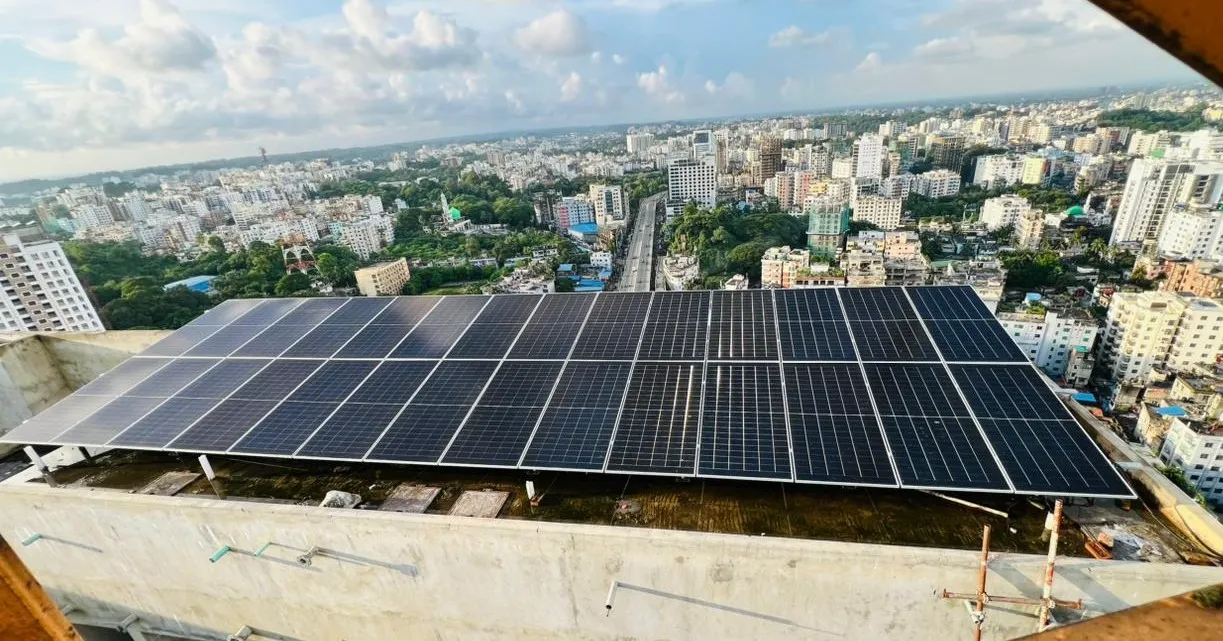
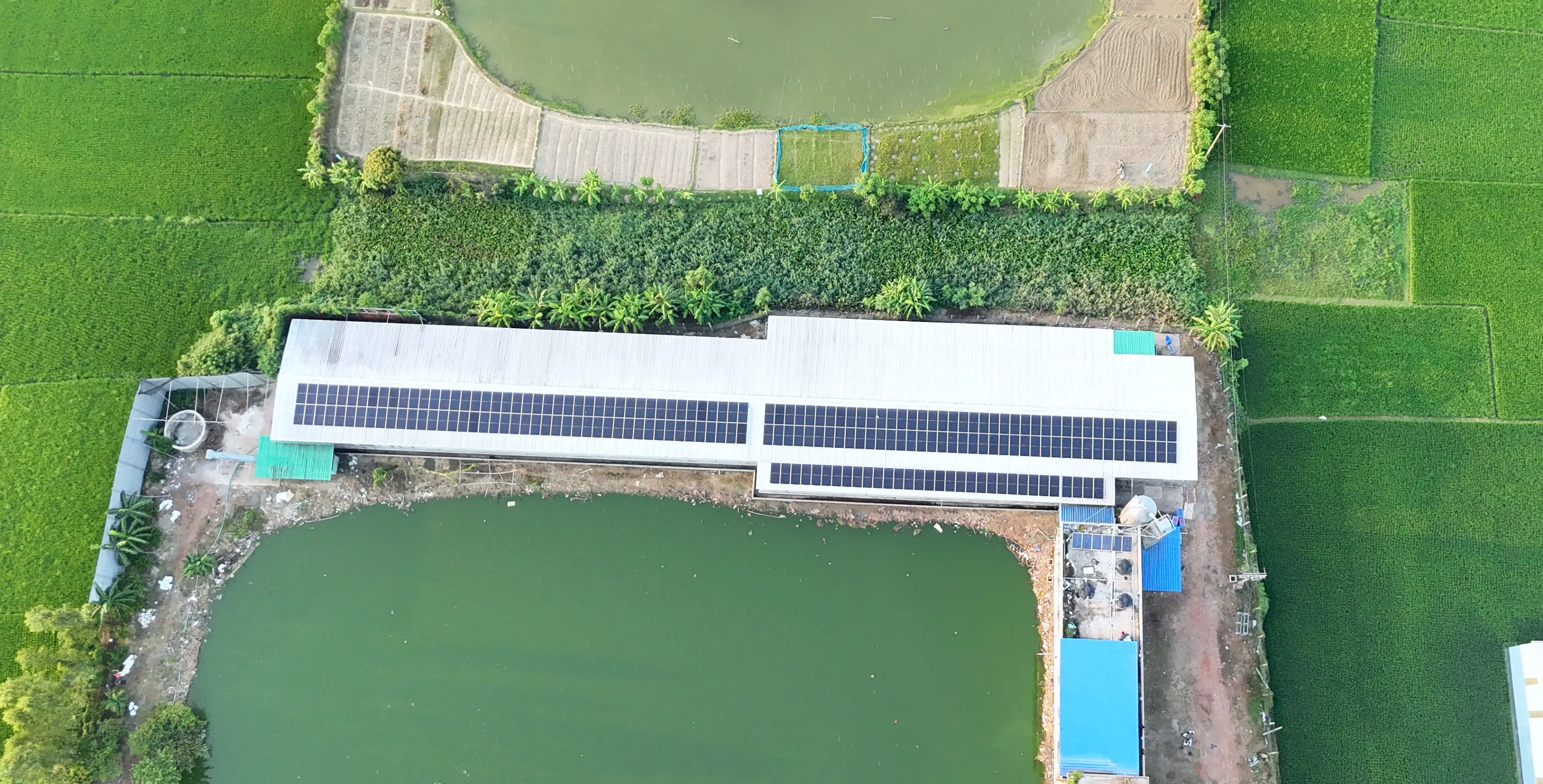
Alektra Renewable successfully engineered, installed, and commissioned an advanced 125 kWp rooftop solar PV system integrated with a 125 kW Solis hybrid inverter and 100 kWh SolisStorage FlexCore-ID Battery Energy Storage System (BESS) at Shamsun Nahar Agro, located in Chattogram, Bangladesh.
The project demonstrates how commercial and industrial facilities can integrate solar photovoltaic generation with modern battery energy storage technology to improve energy reliability, optimize renewable energy utilization, and reduce dependence on conventional diesel generators.
Unlike conventional grid-tied solar installations, this hybrid solar and energy storage solution was developed through a data-driven engineering approach, with particular emphasis on critical-load assessment, power quality, system compatibility, and operational continuity.
Engineering Challenge: Reliable Power for Industrial Operations
Shamsun Nahar Agro required an energy solution capable of reducing conventional electricity consumption while addressing operational interruptions caused by grid instability and power outages.
A conventional on-grid solar installation alone would not provide the required backup capability during utility outages. The facility therefore needed an integrated solar and energy storage solution capable of supporting designated critical loads under appropriate operating conditions.
The engineering challenge was to match solar generation, hybrid inverter capacity, battery storage characteristics, and the facility's actual electrical demand without compromising system reliability.
Our Engineering Approach: Power Quality and Load Analysis
Before finalizing the system configuration, Alektra Renewable deployed a professional power quality analyzer at the facility to evaluate its electrical operating conditions.
The engineering assessment included:
Electrical demand and operating load-profile analysis.
Identification and evaluation of critical loads.
Power factor (PF) and reactive power assessment.
Harmonic distortion analysis, including total harmonic distortion (THD).
Evaluation of operational requirements during grid interruptions.
Selection and integration of suitable solar inverter and battery storage technologies.
This analytical approach helped establish the technical requirements for the hybrid power system and informed equipment selection, system sizing, and energy management considerations.
Rather than adopting a standardized equipment package, Alektra Renewable focused on developing an application-specific solution aligned with the facility's electrical characteristics.
System Design: Solis Hybrid Inverter with FlexCore-ID ESS
The completed installation integrates three major components:
125 kWp Rooftop Solar PV Array
The solar photovoltaic system converts available solar irradiation into electricity, supplying renewable energy for the facility's daytime electrical demand.
125 kW Solis Three-Phase Hybrid Inverter
The Solis hybrid inverter forms the central power conversion and energy management interface, coordinating solar PV generation, the battery system, and the facility's electrical supply.
100 kWh SolisStorage FlexCore-ID Battery Energy Storage System
The FlexCore-ID ESS provides stored electrical energy for designated backup loads and supports energy management according to the configured operating strategy, battery state of charge, and applicable power limits.
Together, these components enable coordinated solar generation, battery charging and discharging, and backup power support.
Operating Strategy and Energy Management
Under normal operating conditions, the system prioritizes productive use of available solar energy to reduce dependence on externally supplied electricity.
When solar generation exceeds the applicable load demand, available surplus energy may be directed toward battery charging according to the system configuration and operating limits.
During utility interruptions, the hybrid inverter and battery storage system can support designated critical loads through the configured backup arrangement. Available solar generation may also contribute to supplying those loads, depending on irradiation, system conditions, and inverter operating limits.
By combining solar PV with battery storage, the installation helps reduce the need for daytime diesel generator operation while improving energy resilience.
Actual backup duration depends on critical-load demand, usable battery capacity, state of charge, solar availability, and system settings.
Project Benefits and Engineering Outcomes
The Shamsun Nahar Agro project delivers several operational advantages:
Improved energy resilience: Battery-supported power availability for designated critical loads during grid interruptions.
Reduced diesel dependency: Greater utilization of daytime solar energy, reducing the need for conventional generator operation.
Enhanced solar self-consumption: Coordinated solar PV and battery operation to utilize available renewable electricity more effectively.
Intelligent energy management: Integrated control of solar generation, battery storage, and electrical demand.
Lower conventional energy demand: Displacement of a portion of purchased electricity through on-site solar generation.
Sustainable industrial operations: Increased adoption of renewable energy technology within Bangladesh's agro-industrial sector.
Engineering Excellence in Solar and Energy Storage
The Shamsun Nahar Agro installation reflects Alektra Renewable's engineering-first approach to commercial and industrial solar EPC projects.
From preliminary electrical measurements and power-quality assessment to system design, equipment integration, installation, testing, and commissioning, the project demonstrates the importance of matching renewable energy technologies with actual site requirements.
Featuring a 125 kW Solis hybrid inverter and 100 kWh FlexCore-ID battery system, this installation serves as a practical example of integrated industrial solar PV and battery energy storage in Bangladesh.
Engineering Excellence in Solar and Energy Storage — Alektra Renewable, Chattogram, Bangladesh.
Frequently Asked Questions
What is the capacity of the Shamsun Nahar Agro solar project?
The project features 125 kWp of installed rooftop solar PV capacity, a 125 kW Solis hybrid inverter, and a 100 kWh SolisStorage FlexCore-ID battery energy storage system.
Who installed the Shamsun Nahar Agro hybrid solar system?
Alektra Renewable, a solar EPC and energy storage engineering company based in Chattogram, Bangladesh, engineered and commissioned the system.
Which energy storage technology is used?
The project incorporates the SolisStorage FlexCore-ID 100 kWh commercial and industrial battery energy storage solution, integrated with a Solis hybrid inverter.
Can the solar system provide backup power during grid outages?
Yes. The hybrid inverter and battery system are designed to support designated critical loads during grid interruptions, subject to available solar generation, battery state of charge, configured backup circuits, and equipment power limits.
How does this project reduce diesel generator dependency?
The system allows available solar PV generation and stored battery energy to support electrical loads under suitable operating conditions, reducing the need to operate diesel generators during portions of the day.
Where is the Shamsun Nahar Agro project located?
The project is located in the Chattogram region of Bangladesh.