
Molla Agro Rooftop Solar Project: Clean Energy with Capacity to Grow
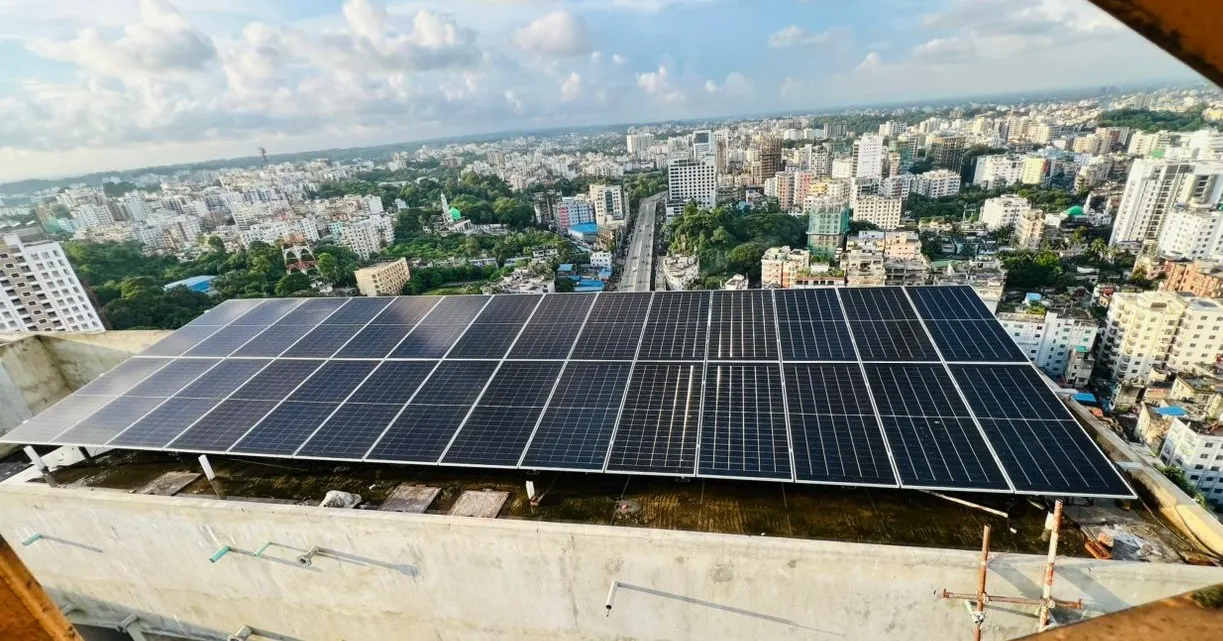
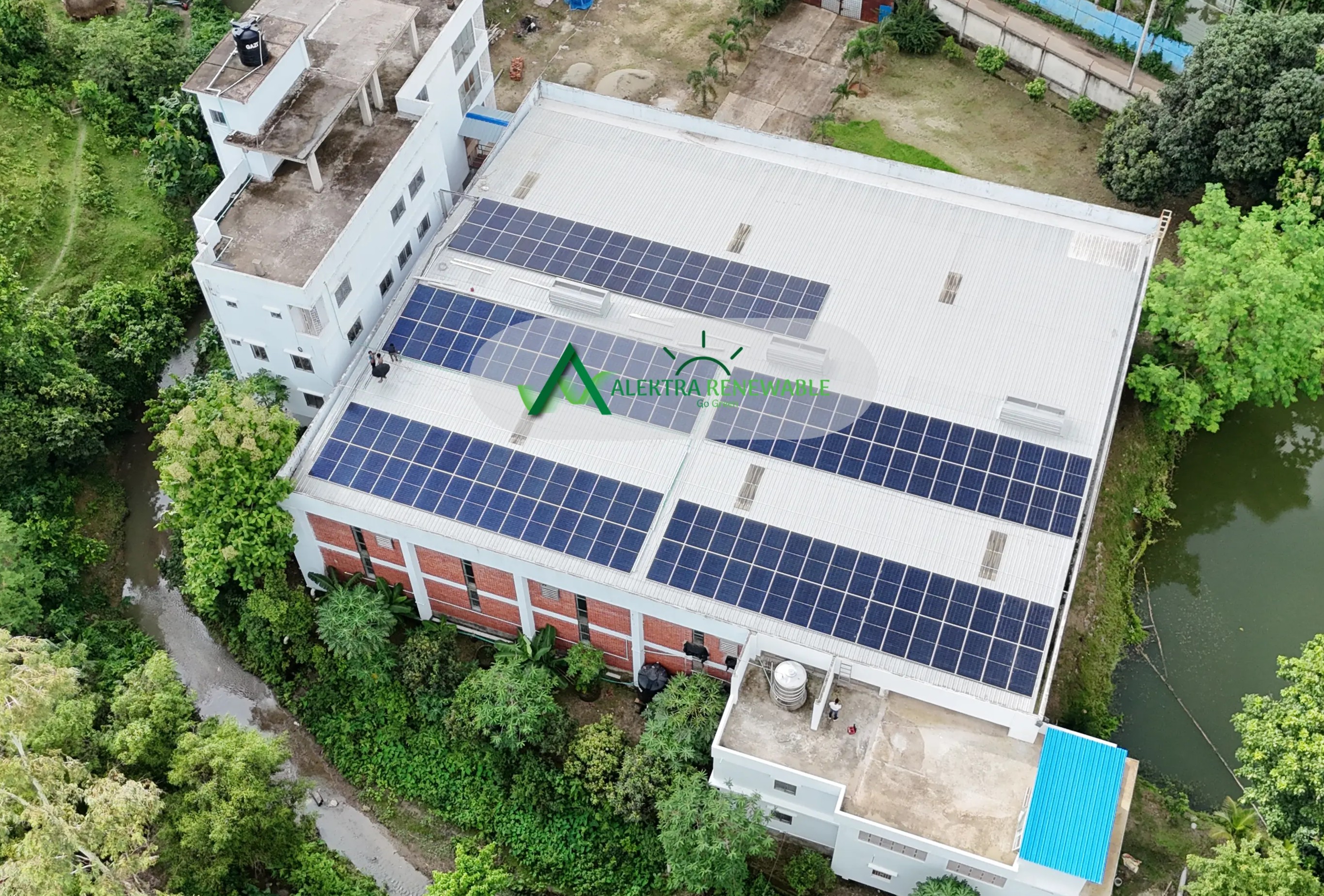
Alektra Renewable delivered a 70.725 kWp grid-connected rooftop solar system for Molla Agro in Brahmanbaria, commonly known as B. Baria, Bangladesh. The installation puts available rooftop space to productive use, generating electricity for the facility while supporting a phased approach to renewable energy investment.
The project combines 115 JA Solar modules with a 100 kW Solis inverter. The inverter was intentionally selected with future solar array expansion in mind, allowing Molla Agro to start with its present installed capacity and increase generation as its requirements develop.
Based on the planning assumptions detailed below, the existing array could generate approximately 89.8 MWh of solar electricity annually and help avoid approximately 55.7 tonnes of grid-related CO₂ emissions each year.
Project Overview
SpecificationProject detailsClientMolla AgroLocationBrahmanbaria, BangladeshSolar EPC contractorAlektra RenewableSystem configurationGrid-connected rooftop solarInstalled DC capacity70.725 kWpSolar module modelJA Solar JAM66D45-615/LBModule quantity and rating115 modules × 615 WInverter1 × Solis S5-GC100KRated inverter capacity100 kW ACMounting systemLong aluminum railsInstallation provisionsRoof waterproofing and rodent protectionEstimated annual solar generationApproximately 89,821 kWhEstimated annual avoided CO₂ emissionsApproximately 55.7 tonnesExpected Solar Electricity Generation
Using an assumed annual specific yield of 1,270 kWh per installed kWp, the 70.725 kWp array has the following indicative generation potential:
PeriodEstimated solar generationAnnual total89,821 kWhMonthly average7,485 kWhDaily average across the year246 kWhThese figures describe energy production over time. The system’s 70.725 kWp rating describes the solar modules’ combined nominal DC power under standard test conditions.
Solar production will vary throughout the year with sunlight, cloud cover and seasonal conditions. Actual output also depends on module orientation, shading, temperature, cleanliness, electrical losses, grid availability and any export restrictions. The monthly and daily figures are annual averages, rather than fixed production targets.
Electricity generated and consumed on-site can reduce Molla Agro’s utility electricity purchases. The financial benefit will depend on how closely daytime demand matches solar generation and on the applicable tariff and export arrangements.
Estimated Environmental Contribution
At the assumed generation level, the system could avoid approximately 55.7 tonnes of CO₂ emissions annually by displacing grid electricity.
The calculation uses 0.62 kg CO₂/kWh, the Bangladesh grid emission factor for fiscal years 2020–21 and 2021–22 communicated by the Department of Environment in January 2025. It is used here as a reference factor, rather than a measurement of the grid’s current hourly emissions. Bangladesh Department of Environment: Grid Emission Factor
To illustrate the scale, this estimated annual CO₂ benefit can be expressed through the following comparisons:
Environmental indicatorApproximate equivalentAvoided grid-related CO₂55.7 tonnes per yearTree carbon uptakeAverage annual uptake of approximately 930 growing urban treesCoal combustionCO₂ released by burning approximately 28 tonnes of coalLong-haul passenger travelCO₂ from approximately 68 one-way passenger journeys of 5,000 miles eachThe tree comparison uses approximately 60 kg CO₂ per urban tree per year, averaged over a ten-year growth period. It represents equivalent carbon uptake, not trees physically planted. The coal comparison uses approximately 1.98 tonnes CO₂ per tonne of coal; it is an emissions equivalent, not a measurement of coal displaced from Bangladesh’s mixed electricity grid. Both use the US EPA’s equivalency calculations.
The aviation comparison assumes one passenger travelling 5,000 miles—approximately 8,047 km—at 0.163 kg CO₂ per passenger-mile. It compares direct CO₂ emissions and excludes aviation’s additional non-CO₂ warming effects. The figure represents passenger journeys, rather than entire aircraft flights. US EPA 2025 Emission Factors, Table 10
These comparisons describe the same estimated carbon benefit in different ways and should not be added together.
A 100 kW Inverter Selected for Future Expansion
Molla Agro’s initial solar array is rated at 70.725 kWp DC, paired with a 100 kW AC inverter. The additional inverter capacity supports the client’s intention to expand the photovoltaic array later.
At a target DC-to-AC ratio of approximately 1.25, the array would approach 125 kWp. Using modules rated at 615 W, a total of 203 modules would provide 124.845 kWp.
This creates a capacity-planning allowance for 88 additional modules without purchasing another inverter.
Expansion parameterExisting installationPotential expanded installationNumber of 615 W modules115203Installed DC capacity70.725 kWp124.845 kWpInverter AC capacity100 kW100 kWDC-to-AC ratio0.7071.248Indicative annual generation at the same assumed yield89,821 kWh158,553 kWhThe expansion would add 54.120 kWp of solar capacity. Its final module quantity and configuration will require verification of inverter string voltage, input current, MPPT allocation, roof capacity and space, cabling, protection and applicable grid requirements. The expanded generation figure is a preliminary projection; a detailed design should reassess losses and inverter clipping.
Long Aluminum Rail Mounting and Roof Waterproofing
The modules were installed using a long aluminum rail mounting system to provide support and alignment across the rooftop array.
Roof waterproofing was a key installation consideration. Waterproofing measures were incorporated at relevant mounting interfaces to protect against water ingress and help preserve the building envelope.
This attention to roof integration matters throughout the service life of a solar installation: electricity generation should work alongside the roof’s essential role in protecting the facility.
Rodent Protection for Electrical Cabling
Rodent-protection measures were incorporated into the installation to help reduce the risk of damage to solar cabling.
Cable insulation damage can cause electrical faults, interruptions and maintenance costs. Addressing this risk during installation supports system reliability, particularly where rodents may have access to rooftop cable routes.
Periodic inspection of cable protection and roof seals remains part of maintaining the installation over time.
Supporting Molla Agro’s Energy Transition
The Molla Agro project combines immediate solar generation capacity with a defined opportunity for future growth. Its 70.725 kWp array can contribute to lower grid electricity consumption, while the 100 kW inverter provides scope for a larger array when the client is ready to expand.
For Alektra Renewable, the project brings together the core elements of commercial rooftop solar delivery: equipment selection, expansion planning, practical mounting, waterproofing and cable protection.
Basis of the Estimates
Generation figures use an assumed specific yield of 1,270 kWh/kWp/year and are preliminary projections, not monitored results or a site-specific simulation. Avoided emissions assume the estimated solar electricity displaces grid electricity at the stated reference factor. They exclude the solar equipment’s lifecycle emissions and do not represent certified carbon credits. Actual generation and environmental impact should be updated using operating data as it becomes available.